
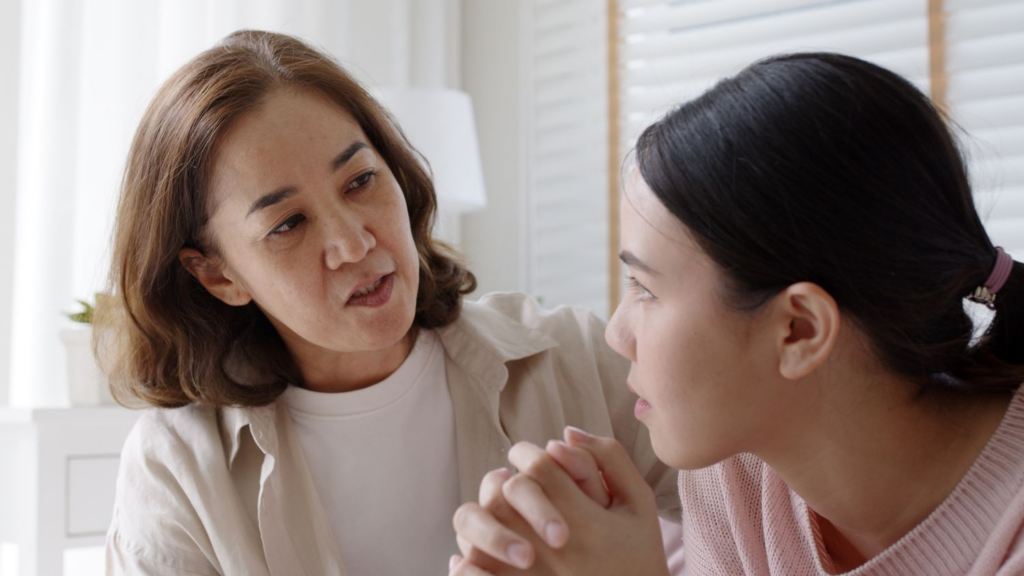
Trauma doesn’t always start with us. For many South and East Asian women, experiences from previous generations can shape how we see ourselves, our families, and the world. Intergenerational trauma happens when trauma passes down through family stories, cultural expectations, and learned behaviors. Even if the original experiences happened decades ago, their effects can still influence how we cope with stress, handle relationships, or manage emotions today. Recognizing this influence is the first step toward breaking cycles and creating space for healing.
How Intergenerational Trauma Shows Up
Trauma from previous generations often shows up in subtle ways. In South and East Asian families, values like resilience, sacrifice, and emotional restraint are emphasized, sometimes at the cost of acknowledging pain. Women may notice patterns like:
- Feeling pressure to meet family expectations without complaint
- Difficulty expressing emotions openly
- Chronic anxiety, guilt, or self-doubt rooted in family narratives
- Self-silencing or avoiding conflict to keep peace
These behaviors aren’t signs of weakness. They’re inherited coping strategies that helped previous generations survive tough circumstances. Understanding them helps women see where family history ends and their own choices begin.
Cultural and Family Influences
Many South and East Asian families carry histories of migration, discrimination, or economic struggle. Parents and grandparents may have experienced loss, displacement, or marginalization, which can shape their parenting. Children often internalize these lessons even when they’re not explicitly communicated.
For example, a mother who grew up where mistakes were punished may unintentionally instill fear of failure. A grandmother who experienced war or displacement might emphasize caution or emotional restraint, shaping family dynamics for generations. Recognizing these patterns isn’t about blaming family members. It’s about understanding how culture and history shape behaviors and beliefs.
Addressing Intergenerational Trauma
Therapy and mental health support can help South and East Asian women explore how intergenerational trauma affects their lives. This work can include:
- Identifying recurring family dynamics, coping strategies, or beliefs that influence thoughts and behaviors
- Creating space to acknowledge feelings that may have been discouraged or ignored in the past
- Learning new ways of relating to yourself and others to replace unhelpful inherited patterns
- Setting boundaries to protect your mental health while respecting your family and culture
- Distinguishing personal goals and desires from family expectations and inherited trauma
Healing is a Journey
Addressing intergenerational trauma isn’t a one-time fix. It’s an ongoing process that takes patience, self-compassion, and support. Therapy gives you space to explore how family history has shaped emotional patterns, self-perception, and relationships. It also gives you tools to handle these challenges while honoring your cultural identity.
Women can gradually learn to:
- Express emotions more freely without guilt
- Build relationships grounded in understanding rather than repeating old patterns
- Develop a sense of control over their own lives
- Balance cultural heritage with personal well-being
Moving Forward
Intergenerational trauma can feel overwhelming because it’s invisible but deeply felt. Understanding it is the first step toward change. South and East Asian women don’t have to carry the weight of family history alone. Mental health support, culturally informed therapy, and self-reflection can help break cycles and create space for healing.
Healing from intergenerational trauma isn’t about forgetting or rejecting family history. It’s about choosing how it shapes your present and future. By recognizing inherited patterns and addressing their impact, women can reclaim emotional freedom, nurture well-being, and create a life grounded in authenticity, resilience, and self-compassion.